Overview & background
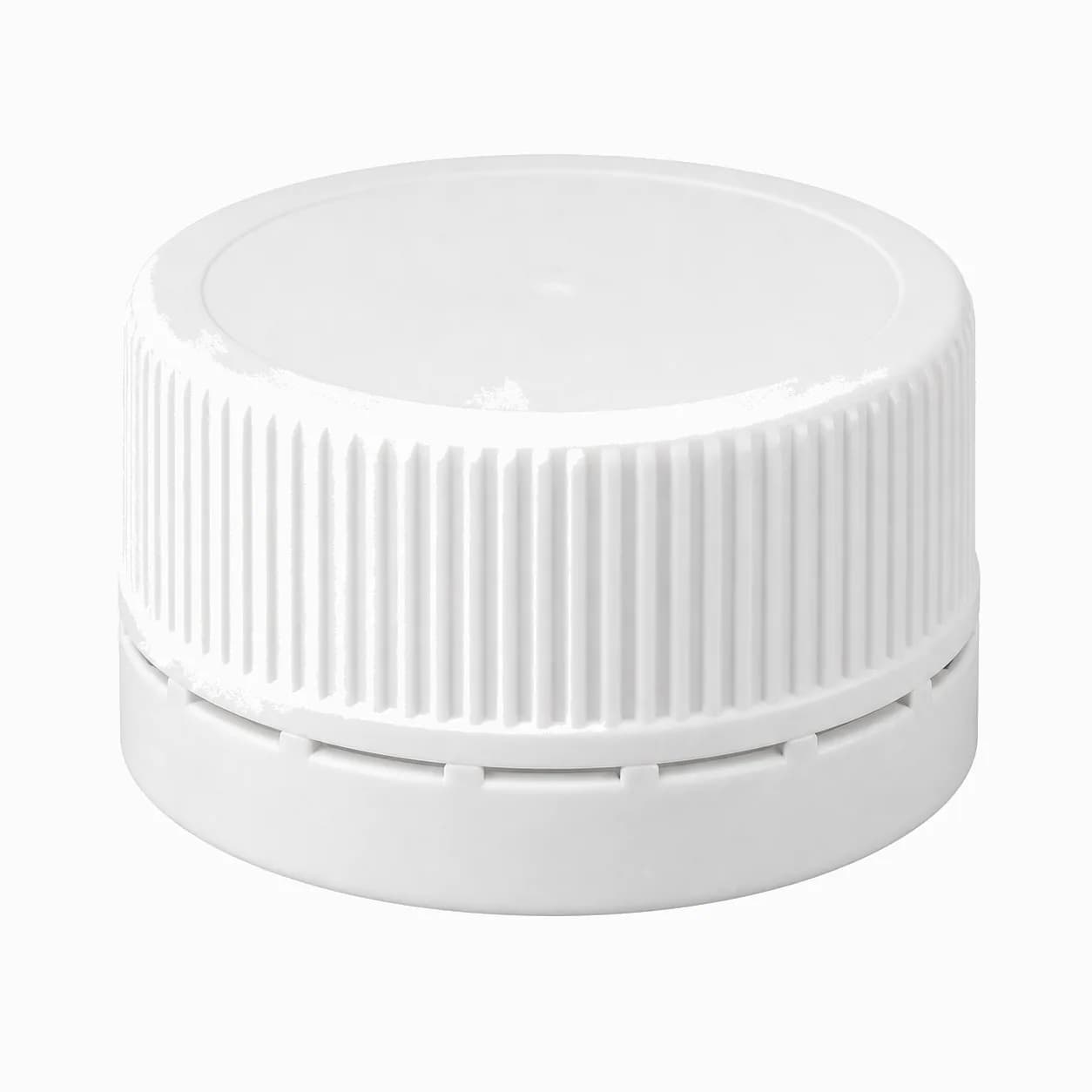
Child-resistant closures are designed to be difficult for young children to open but manageable for adults, usually through a push-down-and-turn or squeeze-and-turn action that requires two coordinated motions. They are a regulatory requirement for many medicines, hazardous household chemicals, and increasingly cannabis and nicotine products, where accidental ingestion by a child must be made harder.
Tamper evidence is the complementary feature: a tear band, breakaway ring or heat-induction inner seal that is obviously broken once the pack is first opened, so the consumer can trust an unopened product is intact. The two functions are often combined in one closure.