GPS-LAB-3416 / Laboratory & Chemical

Heavy-Wall Glass Desiccators

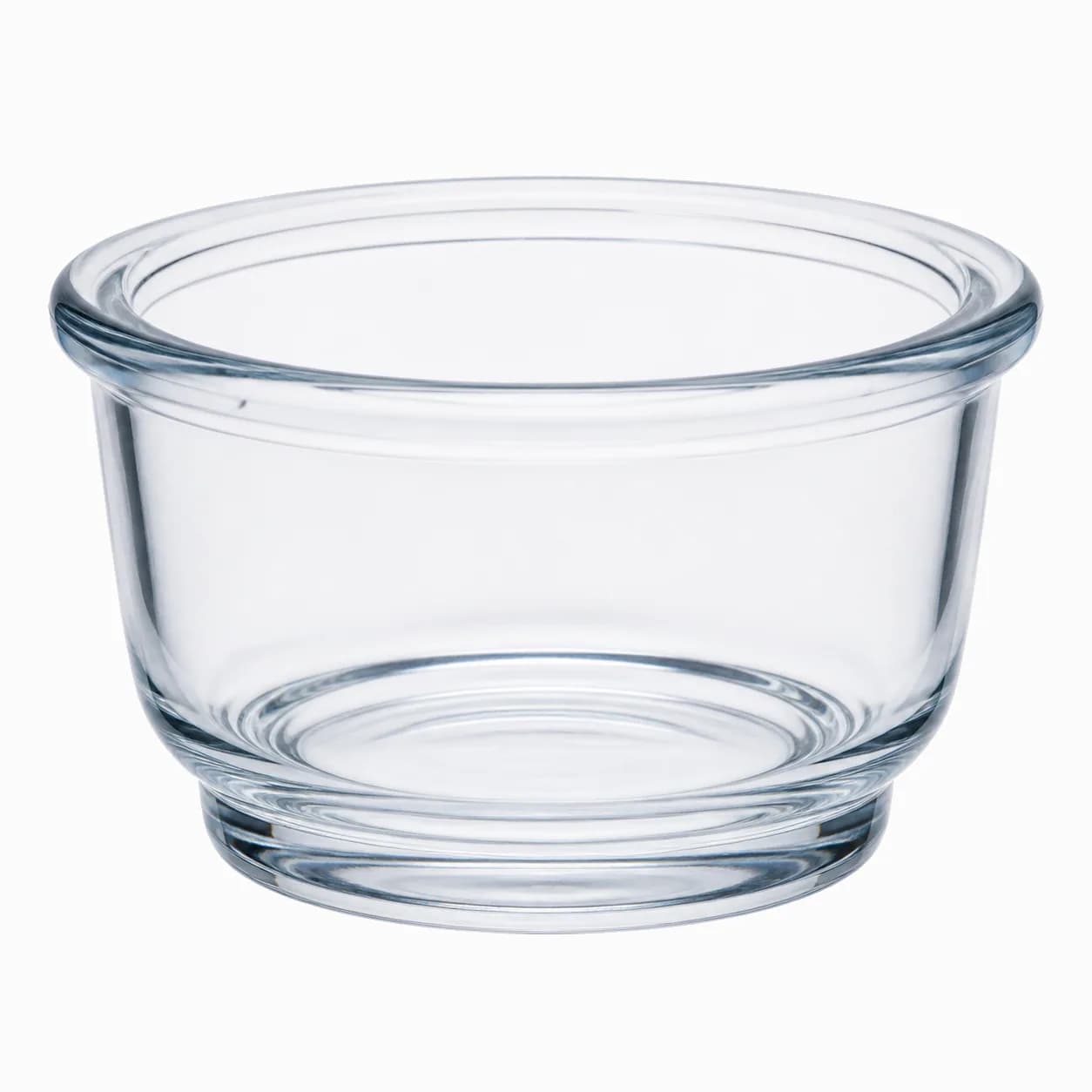
Thick-walled glass chambers with a ground-glass lid and a perforated plate, used to dry and store samples over a desiccant in a moisture-free atmosphere. Vacuum versions add a stopcock to pull a vacuum for faster, deeper drying. A core piece of equipment for gravimetric and moisture-sensitive work.

GPS-LAB-3416Model Code100 mm – 300 mm dia.Plate size1,000 pcsStarting MOQFrom $0.72Indicative Price
Bulk quote guidanceFrom $0.72Final price depends on capacity, closure, decoration, quantity and packing plan.
Request a Quote

Specification

Details Buyers Need Before Quotation

ModelGPS-LAB-3416
Product familyHeavy-Wall Glass Desiccators
Plate / size100, 150, 200, 250, 300 mm nominal plate diameter
MaterialHeavy-wall borosilicate 3.3 glass; porcelain plate
Glass colorClear
Lid / finishFlat ground-glass flange lid (greased seal); knob
Vacuum optionLid stopcock for vacuum desiccators
PlateRemovable perforated porcelain plate above the desiccant
TemperatureAmbient storage; not for heating
PackingSingle-box with lid and plate; fragile-pack
Starting MOQStarting from 1,000 pcs; lower trial quantity depends on available stock

Product Knowledge

About the Heavy-Wall Glass Desiccators

Background, typical uses, construction, filling guidance and production notes for buyers selecting this container for bulk supply or private-label programs.

Overview & background

A desiccator is a sealed glass chamber that maintains a dry atmosphere over a desiccant (such as silica gel), used to dry samples and to keep dried or hygroscopic materials from reabsorbing moisture from the air. A perforated plate holds the samples above the desiccant, and a greased ground-glass flange seals the heavy lid.

Vacuum desiccators add a stopcock in the lid so a vacuum can be drawn, speeding drying and lowering the achievable humidity — useful for stubbornly damp or heat-sensitive samples that cannot simply be oven-dried.

Applications & industries

Drying samples over desiccant, storing hygroscopic materials, cooling oven-dried samples before weighing, and supporting gravimetric and moisture work, in pharma, food, analytical, materials and electronics labs.

Design & construction

A heavy-wall borosilicate 3.3 chamber with a flat ground-glass flange and a matching lid (sealed with a thin film of desiccator grease), a knob for lifting, and a removable perforated porcelain plate above the desiccant well. Vacuum versions add a stopcock, often PTFE, in the lid for evacuation.

Handling & best practice

Keep fresh desiccant in the well and a thin, even film of grease on the flange for a good seal; slide (do not lift) the lid to break or make the seal. For vacuum use, only a properly rated vacuum desiccator should be evacuated, and it should be shielded, since a heavy evacuated glass chamber stores energy and can implode if flawed. Let hot samples cool slightly before sealing in.

Manufacturing & quality

Formed from heavy-wall borosilicate 3.3, with the flange and lid precision-ground to a matched, sealable fit, then annealed — important for thick glass under vacuum. The porcelain plate is a separate component. Flange fit, wall integrity and (for vacuum types) the ability to hold vacuum are the key checks.

Build Options

Configure the Container, Closure and Packing Together

A packaging program is more than the glass. Closure, liner, fill process, label area and export carton should be confirmed together before the first sample or bulk order.

Capacity & Shape

Confirm brimful capacity, practical fill level, body proportions and label panel so the chosen size suits the product and the line.

Closure System

Match lug, CT, cork, pump or dispensing closures with the right liner for the fill temperature, viscosity and sealing method.

Glass & Finish

Clear or amber glass, sprayed color, frosting, embossing and decoration are checked against shelf presentation and light protection.

Export Packing

Carton partitions, pallet pattern, loading plan and shipping marks are planned for long-distance transport and warehouse handling.

Applications

Where the Heavy-Wall Glass Desiccators Fits

Share filling temperature, product acidity, viscosity and shelf-life target so we can check the container, closure liner and packing method before quotation.

Drying samples over desiccantStoring hygroscopic materialsGravimetric & moisture workCooling dried samplesPharma & food testingAnalytical & QC labsElectronics & materials labsResearch & academia

Stock or Custom Build

Review available molds first, then evaluate color, decoration or a mold change if the project needs a differentiated retail look.

Sample Confirmation

Confirm capacity, closure fit, liner selection, label area and carton protection with samples before bulk production.

Export Preparation

Cartons, dividers, pallet loading and shipping marks are planned for distributors, warehouses and multi-country shipments.

Bulk Quote

Need Heavy-Wall Glass Desiccators With Closures, Labels or a Custom Finish?

Send capacity, quantity, closure, decoration and destination details. We will return practical MOQ guidance, sample options and export packing recommendations.

Request a Quote