Healthcare & Pharmaceutical

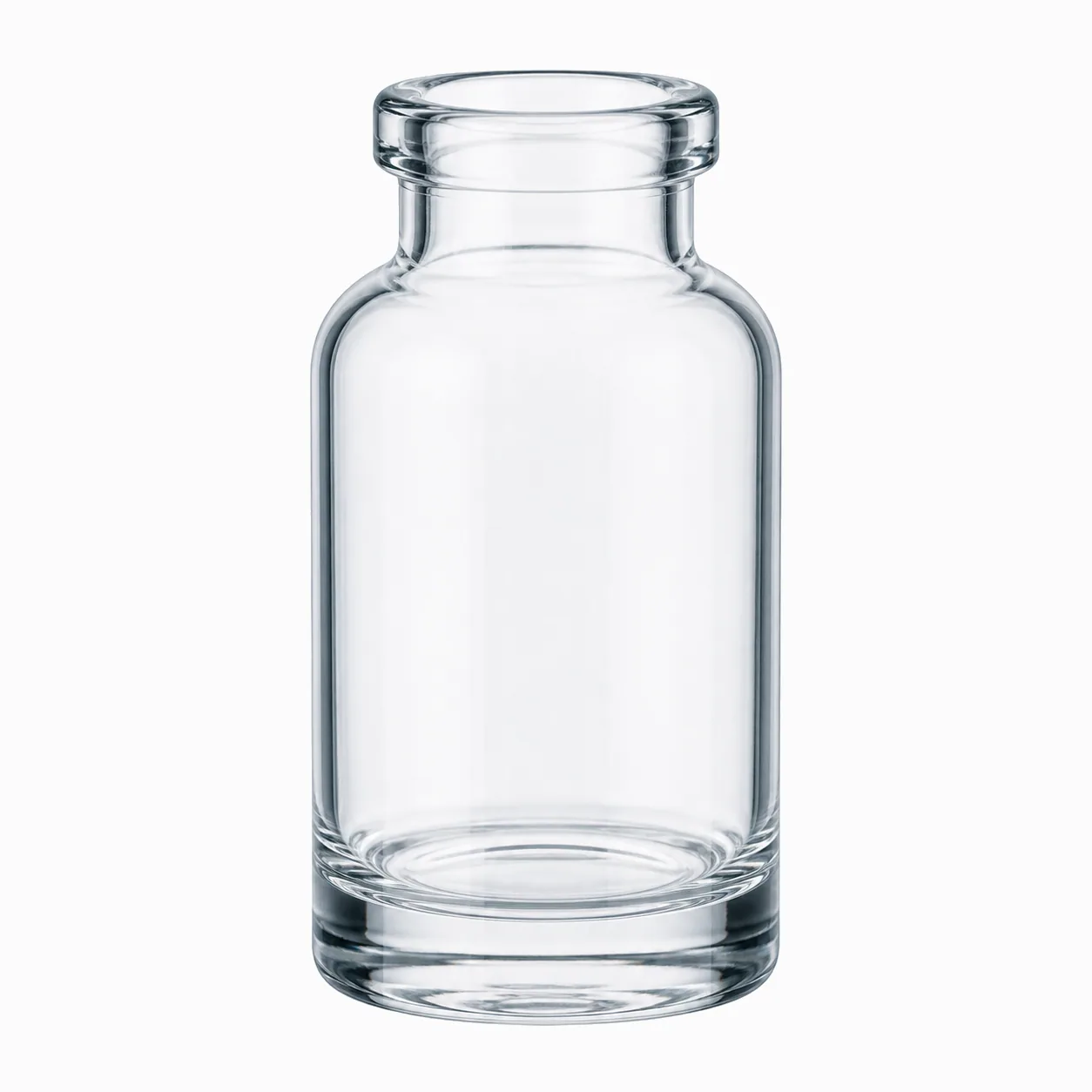
Molded Antibiotic Vials

Molded Type I or Type II glass vials, 2–100 ml, with 20–32 mm crimp finishes for antibiotic powders, lyophilized drugs and larger injectables.

2 ml – 100 mlCapacity
Bulk quote guidanceShare your quantity, specifications and destination to request a quote.
Request a Quote

Specification

Specifications

ProductMolded Antibiotic Vials
Typical capacity2, 5, 10, 15, 20, 30, 50 and 100 ml
MaterialMolded Type I borosilicate or Type II treated soda-lime; compliance documentation on request
Glass colorClear or amber
Neck finish20, 28 or 32 mm crimp (antibiotic) finish
Closure optionsRubber stoppers with aluminum flip-off crimp seals
SterilizationDesigned for autoclaving and dry-heat depyrogenation
Supply conditionBulk, or washed and ready-to-use on request
PackingBulk trays or partition cartons

Product Knowledge

About the Molded Antibiotic Vials

Background, typical uses and selection points for this product. We can send model drawings, technical data and samples to support your evaluation.

Overview

Where tubular vials are converted from tubing, molded vials are formed directly from a gob of molten glass, giving a thicker, sturdier wall and a heavier, more stable base. That robustness suits antibiotic and lyophilized products that are reconstituted at the bedside, where vials are shaken, inverted and pierced repeatedly.

The heavier construction also scales well to larger volumes. Molded vials cover the sizes where tubular vials become impractical, while keeping the Type I or Type II glass that injectable products require.

Applications & Industries

The classic use is dry antibiotic powder for reconstitution, but the same vials carry lyophilized injectables, larger-volume parenterals, veterinary injectables, diagnostic and reagent kits, and bulk vaccine presentations. Hospital and compounding pharmacies favor the format for products mixed and drawn at the point of care. Sizes from 2 to 20 ml cover most single-dose powders; 30 to 100 ml serves multi-dose veterinary and larger reconstitution volumes.

Design & Construction

Each vial has a thick, even wall, a heavy push-up base and a 20, 28 or 32 mm antibiotic crimp finish sized for a rubber stopper and aluminum seal. Type I borosilicate is specified for the most sensitive formulations; Type II is soda-lime glass with a treated inner surface that raises its hydrolytic resistance, and it suits many powders and standard solutions. Clear glass allows inspection of the contents, while amber protects light-sensitive actives.

Filling, Sealing & Use

Powder-fill and lyophilized vials are stoppered and crimped to protect the product until reconstitution, and the drug manufacturer qualifies the glass, stopper and seal together as one container-closure system. The stable base and thick wall help vials run on powder fillers and survive capping and transport. Share your stopper type and fill process with us and we’ll recommend a finish and supply drawings and samples for line trials.

Manufacturing & Customization

We press-and-blow mold the vials from individual gobs of pharmaceutical glass, then anneal and inspect them for dimensions, cosmetic defects and glass type. Type II vials receive their internal surface treatment during production. Certificates of analysis and compliance documentation are available on request. We can supply amber glass, printed identification bands and washed, ready-to-use vials, and we match stoppers and flip-off seals to the finish when you need a complete set.

Customization

Build the Complete Package

We specify the container, closure, decoration and transit packing as one package, so every part fits and arrives ready for your filling line.

Dimensions & Form

Choose from standard sizes or request a custom capacity. We supply drawings with tolerances, label panel dimensions and nominal and brimful capacity.

Interfaces & Components

We match caps, liners, pumps, droppers and stoppers to the neck finish and check the seal against your contents and filling process.

Material & Finish

Flint, amber and colored glass, with frosting, spray coating, screen printing, hot stamping or labels. Material documentation is available on request.

Protective Packing

Partitioned cartons, layer pads or bulk pallets, with shipping marks and pallet patterns planned for your route and warehouse.

Applications

Potential Applications for Molded Antibiotic Vials

Typical markets and uses. Tell us your contents, filling process and storage conditions and we will recommend the right model and components.

Antibiotic powdersLyophilized injectablesReconstitutable drugsLarger-volume parenteralsVeterinary injectablesDiagnostic and reagent kitsHospital and compounding pharmacy

Stock Models & Custom Development

We confirm availability of the standard model, and review any changes to size, color, decoration or tooling for feasibility and lead time.

Samples & Specifications

We send samples and specification sheets so you can check dimensions, component fit and finish before you place the order.

Packing & Shipping

Your quotation covers packing design, shipping route, Incoterms and export documents, so landed cost is clear from the start.

Bulk Quote

Request a Quote for Molded Antibiotic Vials

Tell us the quantity, specifications and destination. We will reply with pricing, lead time, sample options and technical data for your chosen model.

Request a Quote