Overview & background
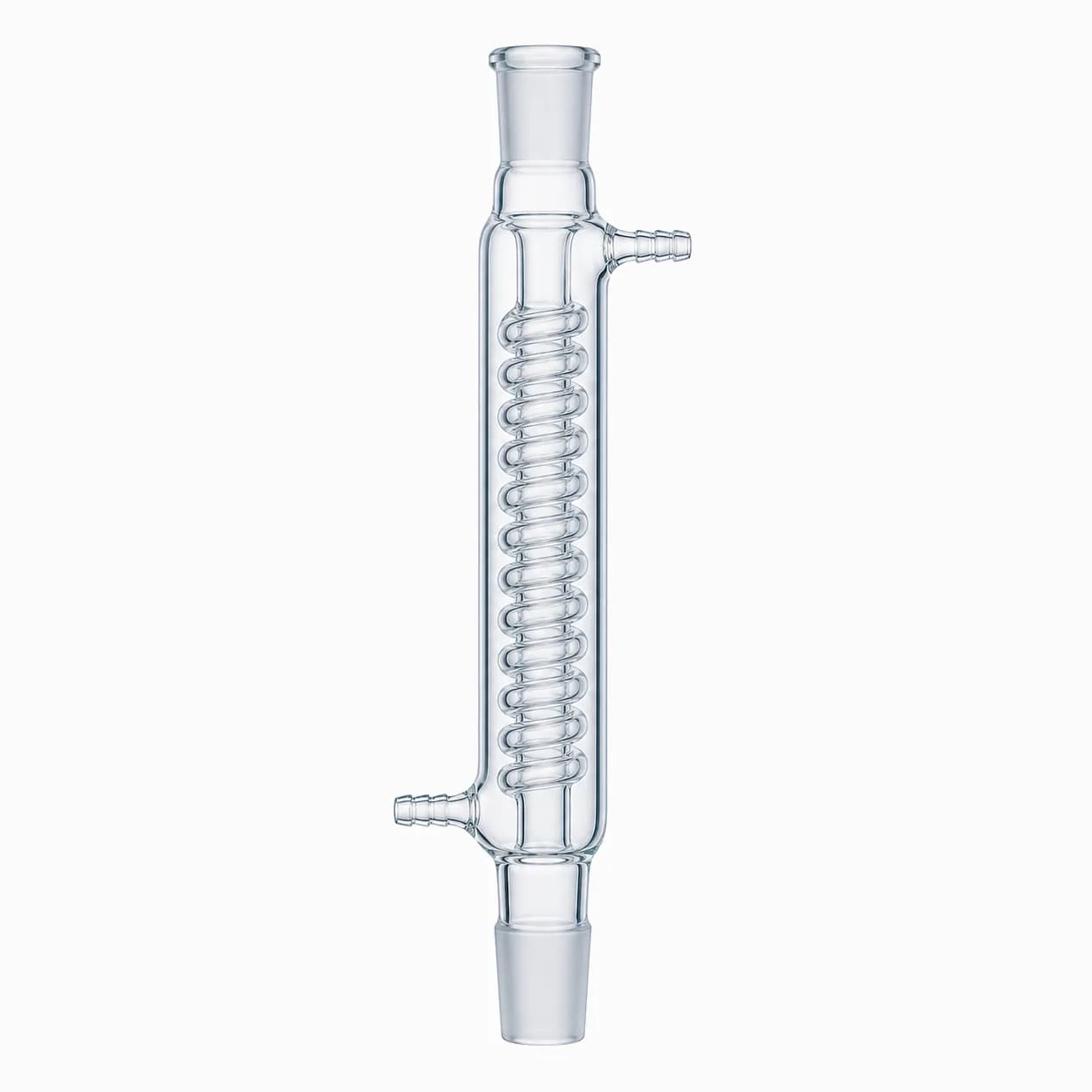
The Soxhlet extractor, invented by Franz von Soxhlet in 1879, automates solvent extraction. Solvent boils in a flask below, its vapour rises and is condensed above, and the condensed solvent drips onto the sample held in a thimble; when the chamber fills, a siphon empties it back into the flask, and the cycle repeats — so the sample is repeatedly washed with fresh, clean solvent.
Because each cycle uses freshly distilled solvent, the method extracts efficiently with a modest solvent volume, which is why it remains the reference technique for measuring fat and oil content and extracting residues and analytes from solids.