GPS-BWS-4679 / Beverage, Wine & Spirits

Champagne & Sparkling Wine Bottles

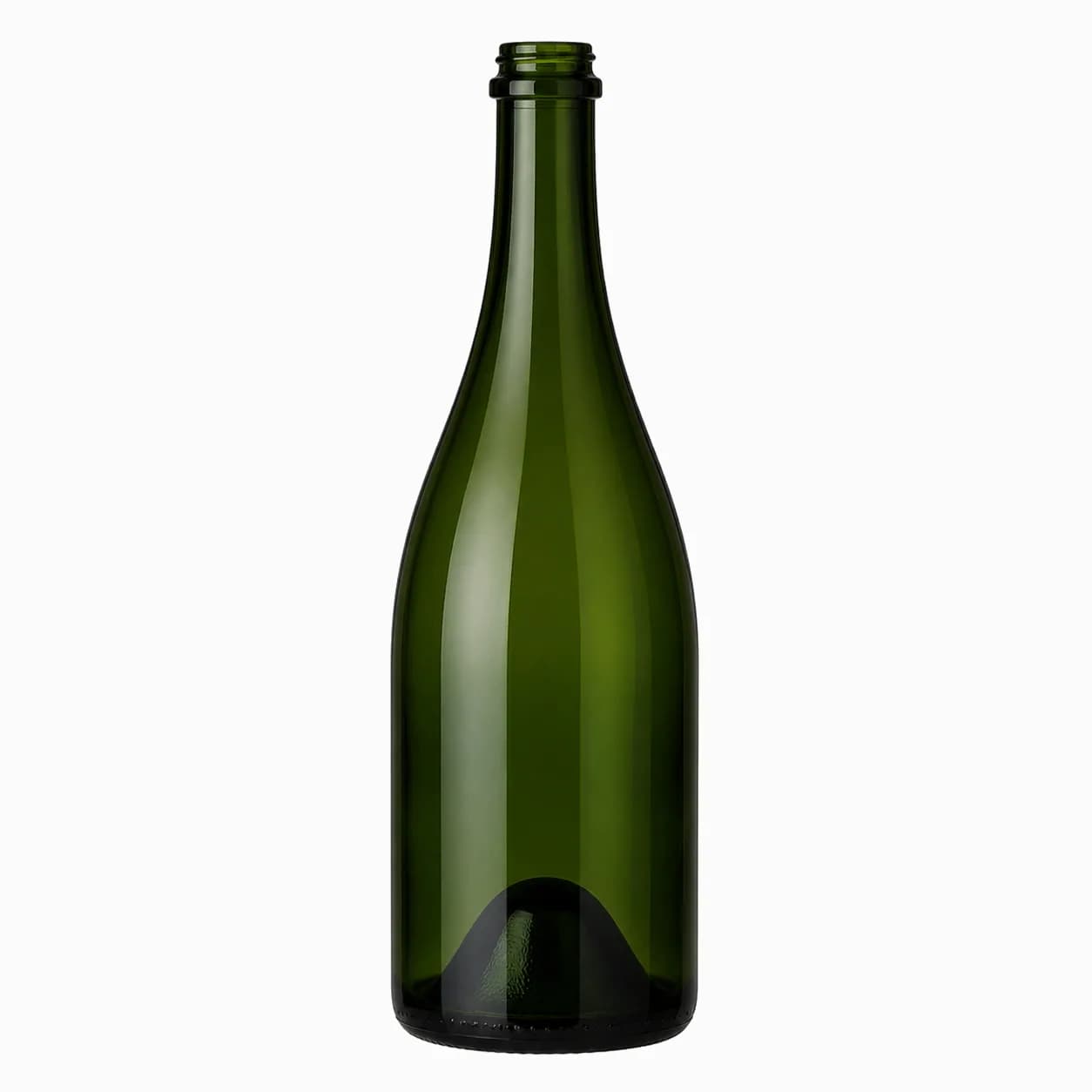
A heavy, thick-walled bottle engineered to contain the pressure of sparkling wine — typically 5–6 bar, similar to a car tire. It has a deep punt, a reinforced sloping shoulder and a special lip that anchors the wire muselet over a sparkling cork. We supply it for Champagne-method and tank-method sparkling programs.

GPS-BWS-4679Model Code200 ml – 1500 mlCapacity Range20,000 pcsStarting MOQFrom $0.44Indicative Price
Bulk quote guidanceFrom $0.44Final price depends on capacity, closure, decoration, quantity and packing plan.
Request a Quote

Specification

Details Buyers Need Before Quotation

ModelGPS-BWS-4679
Product familyChampagne & Sparkling Wine Bottles
Typical capacity200 ml (quarter), 375 ml, 750 ml, 1500 ml (magnum)
MaterialHeavy soda-lime sparkling-grade glass
Glass colorAntique green standard; flint for rosé / prestige
Neck / finishSparkling-wine bague (cork-mouth) or 29 mm crown finish for tirage
ClosureSparkling cork + wire muselet, or 29 mm crown cap during second fermentation
Punt / baseDeep punt for pressure strength and riddling
DecorationFront/back labels, foil capsule, screen print, neck foil
Packing6-bottle partition cartons; pressure-rated export packing
Starting MOQStarting from 20,000 pcs; lower trial quantity depends on available stock

Product Knowledge

About the Champagne & Sparkling Wine Bottles

Background, typical uses, construction, filling guidance and production notes for buyers selecting this container for bulk supply or private-label programs.

Overview & background

A sparkling wine bottle is a pressure vessel first and a wine bottle second. Fully sparkling wine sits at roughly 5–6 bar — comparable to a heavy-truck tire — so the glass is markedly thicker and heavier than a still-wine bottle, with a deep punt and a strong, sloping shoulder to spread the load.

The shape descends from Champagne, where the méthode traditionnelle requires the wine to undergo its second fermentation inside this very bottle, generating the pressure in situ.

Applications & industries

Champagne-method sparkling wines (Champagne, Cava, Crémant), tank-method wines such as Prosecco, sparkling rosé, pét-nat, and sparkling ciders. The same bottle is used through second fermentation, riddling and disgorging in traditional-method production, then for the finished wine.

Design & construction

The defining features are wall thickness, the deep punt and a specially profiled lip. During tirage the bottle is sealed with a 29 mm crown cap; the finished wine uses a sparkling cork held by a wire muselet that hooks under the lip's reinforcing ring. Bottle weight is high — commonly 835 g and up — both for strength and for the prestige hand-feel.

Handling & best practice

Because the contents are under pressure, these bottles and their closures are rated together; never substitute a still-wine bottle or a non-rated closure for sparkling wine. Bottles are filled cold and handled to avoid impact, which can trigger failure under pressure. Counter-pressure fillers are used for finished sparkling wine to limit foaming and gas loss.

Operators should follow standard safety practice — eye protection during disgorging and capping — given the stored energy in a pressurised bottle.

Manufacturing & quality

Sparkling bottles are formed by blow-and-blow with a heavier gob and thicker wall than still-wine bottles. Annealing is especially important to relieve stress in the thick glass and deep punt, and pressure and thermal-shock testing are part of QC for this grade.

The crown-cap and cork lip profiles are gauged precisely, since both the tirage crown and the final muselet depend on a correctly formed finish.

Build Options

Configure the Container, Closure and Packing Together

A packaging program is more than the glass. Closure, liner, fill process, label area and export carton should be confirmed together before the first sample or bulk order.

Capacity & Shape

Confirm brimful capacity, practical fill level, body proportions and label panel so the chosen size suits the product and the line.

Closure System

Match lug, CT, cork, pump or dispensing closures with the right liner for the fill temperature, viscosity and sealing method.

Glass & Finish

Clear or amber glass, sprayed color, frosting, embossing and decoration are checked against shelf presentation and light protection.

Export Packing

Carton partitions, pallet pattern, loading plan and shipping marks are planned for long-distance transport and warehouse handling.

Applications

Where the Champagne & Sparkling Wine Bottles Fits

Share filling temperature, product acidity, viscosity and shelf-life target so we can check the container, closure liner and packing method before quotation.

Champagne-method sparklingCava & CrémantProsecco / tank-methodSparkling roséPét-natSparkling ciderPrestige cuvéeExport sparkling

Stock or Custom Build

Review available molds first, then evaluate color, decoration or a mold change if the project needs a differentiated retail look.

Sample Confirmation

Confirm capacity, closure fit, liner selection, label area and carton protection with samples before bulk production.

Export Preparation

Cartons, dividers, pallet loading and shipping marks are planned for distributors, warehouses and multi-country shipments.

Bulk Quote

Need Champagne & Sparkling Wine Bottles With Closures, Labels or a Custom Finish?

Send capacity, quantity, closure, decoration and destination details. We will return practical MOQ guidance, sample options and export packing recommendations.

Request a Quote