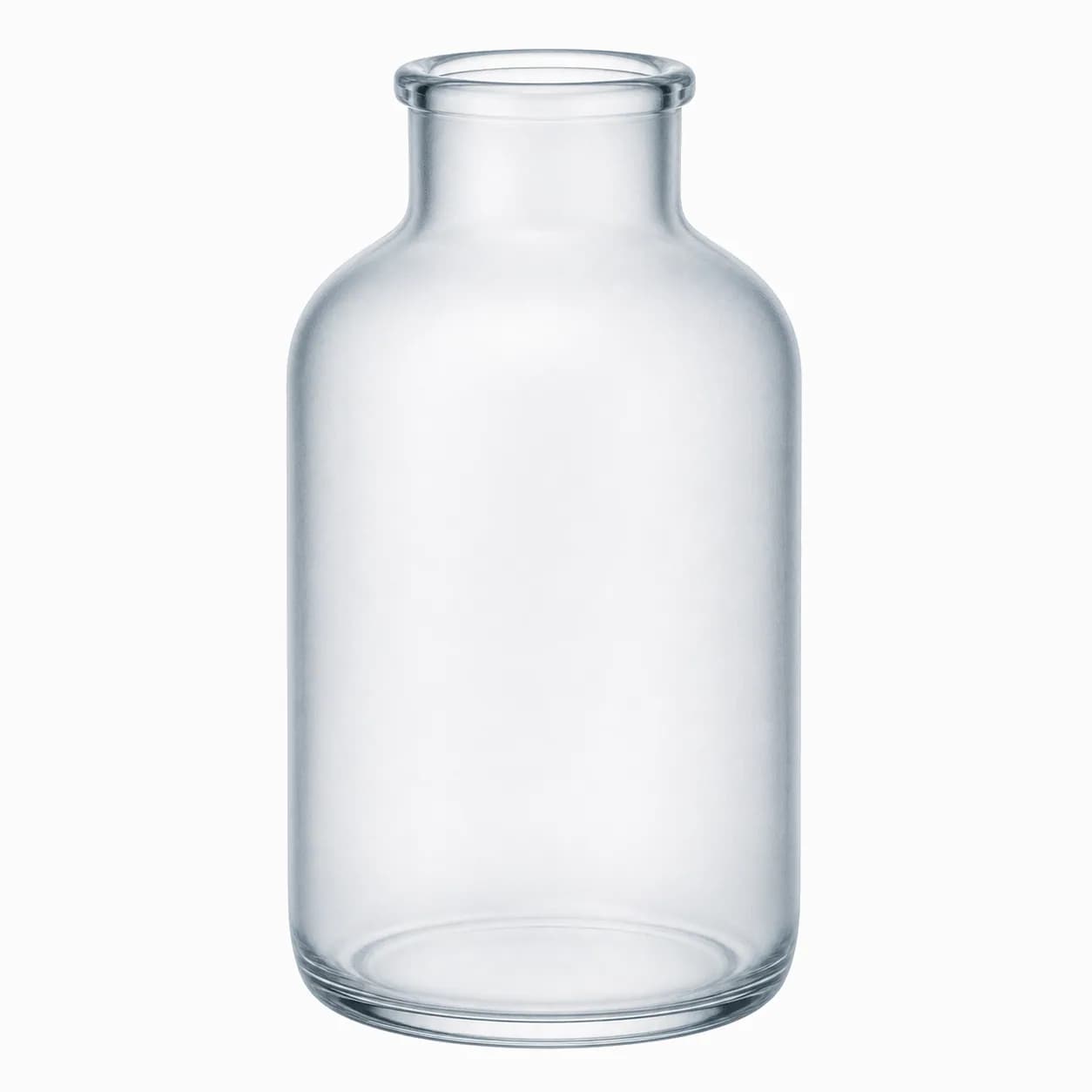
GPS-LAB-4909 / Laboratory & Chemical

Safety-Coated Shatterproof Bottles

Laboratory bottles given a plastic (typically PVC or PE) safety coating that holds the glass together and contains the contents if the bottle is dropped or breaks. Used for hazardous, corrosive and high-value liquids where a glass breakage would be dangerous or costly.

GPS-LAB-4909Model Code100 ml – 5000 mlCapacity Range3,000 pcsStarting MOQFrom $0.30Indicative Price
Bulk quote guidanceFrom $0.30Final price depends on capacity, closure, decoration, quantity and packing plan.
Request a Quote

Specification

Details Buyers Need Before Quotation

ModelGPS-LAB-4909
Product familySafety-Coated Shatterproof Bottles
Capacity100 ml, 250 ml, 500 ml, 1000 ml, 2500 ml, 5000 ml
MaterialBorosilicate 3.3 glass with bonded plastic safety coating
Glass colorClear or amber, under translucent coating
Mouth / finishGL45 or narrow-mouth thread; ground-joint option
ClosurePP/PTFE-lined screw cap or ground stopper
Safety coatingBonded PVC/PE sleeve retains shards and contains spill on breakage
TemperatureCoating limits autoclave use; check rated range
PackingCartoned individually; coating inspected
Starting MOQStarting from 3,000 pcs; lower trial quantity depends on available stock

Product Knowledge

About the Safety-Coated Shatterproof Bottles

Background, typical uses, construction, filling guidance and production notes for buyers selecting this container for bulk supply or private-label programs.

Overview & background

A safety-coated bottle is an ordinary laboratory glass bottle bonded inside a tough plastic sleeve. If the bottle is dropped or cracks, the coating holds the broken glass together and contains the liquid rather than letting it shatter and spill — a major safety benefit when the contents are corrosive, toxic or simply too valuable to lose.

It marries the chemical inertness and clarity of glass with a layer of mechanical and spill protection, which is why it is specified for hazardous and high-stakes liquids.

Applications & industries

Storing and transporting hazardous and corrosive liquids, solvents and acids, high-value samples, and reagents in pilot plants, process areas, field and mobile labs and safety-critical settings.

Design & construction

A borosilicate 3.3 bottle (GL45 or narrow-mouth, with a screw cap or ground stopper) bonded inside a translucent PVC or PE safety sleeve. The coating retains shards and contains spillage on breakage. Because the coating has a temperature limit, the rated range is observed — many coated bottles are not autoclavable like bare glass.

Handling & best practice

The coating is a secondary safeguard, not a licence to mishandle: bottles are still treated carefully. Respect the coating's temperature rating — it usually rules out autoclaving and high-temperature use that a bare borosilicate bottle would tolerate. Check the sleeve for damage; a compromised coating no longer guarantees containment.

Manufacturing & quality

A standard borosilicate bottle is formed and annealed, then the safety coating is applied — typically by dipping or sleeving with a bonded plastic layer that is cured to the glass. Coating coverage, adhesion and the rated temperature range are the key checks, alongside the underlying bottle's thread and joint fit.

Build Options

Configure the Container, Closure and Packing Together

A packaging program is more than the glass. Closure, liner, fill process, label area and export carton should be confirmed together before the first sample or bulk order.

Capacity & Shape

Confirm brimful capacity, practical fill level, body proportions and label panel so the chosen size suits the product and the line.

Closure System

Match lug, CT, cork, pump or dispensing closures with the right liner for the fill temperature, viscosity and sealing method.

Glass & Finish

Clear or amber glass, sprayed color, frosting, embossing and decoration are checked against shelf presentation and light protection.

Export Packing

Carton partitions, pallet pattern, loading plan and shipping marks are planned for long-distance transport and warehouse handling.

Applications

Where the Safety-Coated Shatterproof Bottles Fits

Share filling temperature, product acidity, viscosity and shelf-life target so we can check the container, closure liner and packing method before quotation.

Hazardous & corrosive liquidsSolvents & acidsTransport of reagentsPilot plant & processHigh-value samplesSafety-critical storageField & mobile labsIndustrial chemistry

Stock or Custom Build

Review available molds first, then evaluate color, decoration or a mold change if the project needs a differentiated retail look.

Sample Confirmation

Confirm capacity, closure fit, liner selection, label area and carton protection with samples before bulk production.

Export Preparation

Cartons, dividers, pallet loading and shipping marks are planned for distributors, warehouses and multi-country shipments.

Bulk Quote

Need Safety-Coated Shatterproof Bottles With Closures, Labels or a Custom Finish?

Send capacity, quantity, closure, decoration and destination details. We will return practical MOQ guidance, sample options and export packing recommendations.

Request a Quote