GPS-HCP-1979 / Healthcare & Pharmaceutical

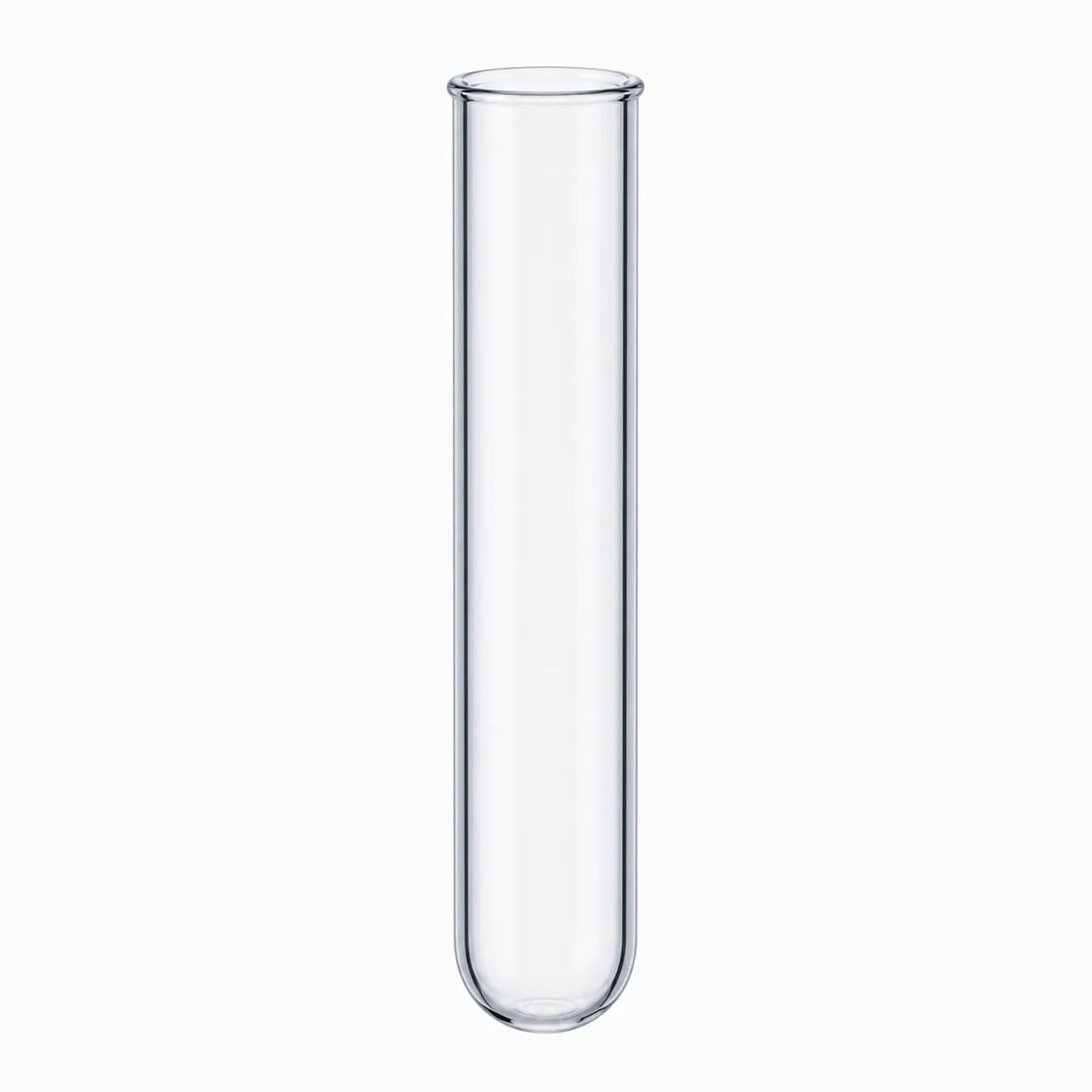
Vacuum Blood Collection Glass Tubes

Evacuated glass tubes for venous blood collection, pre-filled with a precise vacuum (and additive) so a measured volume of blood is drawn automatically when the tube is pierced. Color-coded by additive, they are the backbone of clinical phlebotomy and diagnostic sample handling.

GPS-HCP-1979Model Code1 ml – 10 ml drawDraw volume10,000 pcsStarting MOQFrom $0.13Indicative Price
Bulk quote guidanceFrom $0.13Final price depends on capacity, closure, decoration, quantity and packing plan.
Request a Quote

Specification

Details Buyers Need Before Quotation

ModelGPS-HCP-1979
Product familyVacuum Blood Collection Glass Tubes
Draw volume1 ml, 2 ml, 3 ml, 4 ml, 6 ml, 10 ml (pre-set vacuum)
MaterialGlass; USP Type I borosilicate or Type II soda-lime
Glass colorClear (color-coded by cap/additive)
Tube / finishStandard 13 mm / 16 mm tube; rubber/safety closure
ClosurePenetrable rubber stopper / safety cap (color-coded)
AdditiveEDTA, citrate, heparin, clot activator, gel, etc. by color code
Sterility / vacuumSterile interior with calibrated pre-set vacuum draw
PackingRacked / bulk packs; sterile, dated
Starting MOQStarting from 10,000 pcs; lower trial quantity depends on available stock

Product Knowledge

About the Vacuum Blood Collection Glass Tubes

Background, typical uses, construction, filling guidance and production notes for buyers selecting this container for bulk supply or private-label programs.

Overview & background

An evacuated blood collection tube is a small piece of precision engineering. It is sealed under a calibrated vacuum so that, when the rubber stopper is pierced by the collection needle, exactly the right volume of blood is pulled in automatically — no syringe, no guesswork. The pre-set vacuum and the additive in the tube are matched to draw the correct ratio for the test.

The tubes are color-coded by their additive — EDTA for hematology, citrate for coagulation, clot activator or gel for serum chemistry, and so on — a universal code that tells the phlebotomist and lab exactly what each tube is for.

Applications & industries

Venous blood collection across hematology (EDTA), coagulation (citrate), clinical chemistry (serum/gel), and cross-match and blood-bank work, in diagnostic laboratories, hospital and clinic phlebotomy, and research sample collection.

Design & construction

A glass tube in Type I borosilicate or Type II soda-lime with a penetrable rubber stopper or safety closure, sealed under a calibrated vacuum and pre-filled with the appropriate additive (EDTA, citrate, heparin, clot activator, separator gel). The cap color identifies the additive, and the draw volume is set by the vacuum.

Handling & best practice

The vacuum and additive ratio are calibrated, so tubes are filled to the indicated draw and gently inverted the specified number of times to mix the additive without hemolysis; under- or over-filling can invalidate certain tests. The order of draw and the color code are followed strictly in phlebotomy. Tubes are sterile and dated, and the vacuum must be intact at use.

Manufacturing & quality

The glass tube is tubing-converted, the additive is dosed in, and the tube is stoppered and evacuated to a precise vacuum, then sterilized and dated. Vacuum accuracy (for correct draw volume), additive dosing and sterility are the critical controls; the cap is color-coded to the additive and the system is QC-tested for draw performance.

Build Options

Configure the Container, Closure and Packing Together

A packaging program is more than the glass. Closure, liner, fill process, label area and export carton should be confirmed together before the first sample or bulk order.

Capacity & Shape

Confirm brimful capacity, practical fill level, body proportions and label panel so the chosen size suits the product and the line.

Closure System

Match lug, CT, cork, pump or dispensing closures with the right liner for the fill temperature, viscosity and sealing method.

Glass & Finish

Clear or amber glass, sprayed color, frosting, embossing and decoration are checked against shelf presentation and light protection.

Export Packing

Carton partitions, pallet pattern, loading plan and shipping marks are planned for long-distance transport and warehouse handling.

Applications

Where the Vacuum Blood Collection Glass Tubes Fits

Share filling temperature, product acidity, viscosity and shelf-life target so we can check the container, closure liner and packing method before quotation.

Venous blood collectionHematology (EDTA)Coagulation (citrate)Clinical chemistry (serum/gel)Cross-match & blood bankDiagnostic laboratoriesHospital & clinic phlebotomyResearch sample collection

Stock or Custom Build

Review available molds first, then evaluate color, decoration or a mold change if the project needs a differentiated retail look.

Sample Confirmation

Confirm capacity, closure fit, liner selection, label area and carton protection with samples before bulk production.

Export Preparation

Cartons, dividers, pallet loading and shipping marks are planned for distributors, warehouses and multi-country shipments.

Bulk Quote

Need Vacuum Blood Collection Glass Tubes With Closures, Labels or a Custom Finish?

Send capacity, quantity, closure, decoration and destination details. We will return practical MOQ guidance, sample options and export packing recommendations.

Request a Quote