GPS-LAB-3493 / Laboratory & Chemical

Reactor Glass Liners

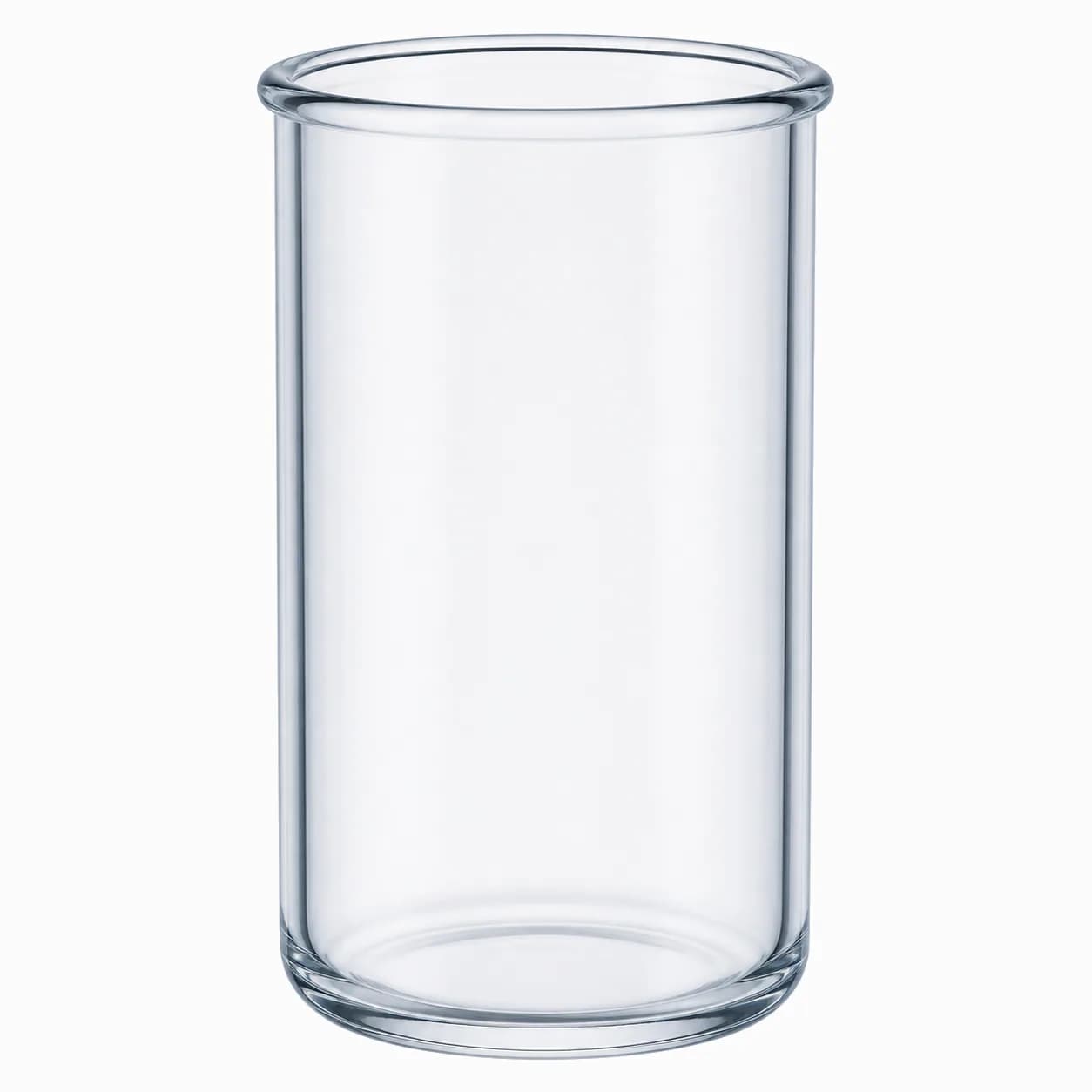
Borosilicate glass liners that sit inside metal reactors and autoclaves to give the reaction an inert glass surface, protecting both the product from metal contamination and the vessel from corrosive chemistry. Used in pilot-scale and pressure synthesis where glass compatibility is needed inside a metal pressure vessel.

GPS-LAB-3493Model Code50 ml – 5000 mlCapacity Range3,000 pcsStarting MOQFrom $0.60Indicative Price
Bulk quote guidanceFrom $0.60Final price depends on capacity, closure, decoration, quantity and packing plan.
Request a Quote

Specification

Details Buyers Need Before Quotation

ModelGPS-LAB-3493
Product familyReactor Glass Liners
Capacity50 ml, 100 ml, 250 ml, 500 ml, 1000 ml, 2000 ml, 5000 ml
MaterialBorosilicate 3.3 glass
Glass colorClear
Form / fitCylindrical liner sized to the reactor/autoclave cavity
UseInert glass insert for metal reactors and pressure vessels
Chemical resistanceProtects product from metal; resists corrosive media
TemperatureBorosilicate thermal range; matched to reactor service
PackingCartoned individually; sized to the vessel
Starting MOQStarting from 3,000 pcs; lower trial quantity depends on available stock

Product Knowledge

About the Reactor Glass Liners

Background, typical uses, construction, filling guidance and production notes for buyers selecting this container for bulk supply or private-label programs.

Overview & background

Many reactions need to run under pressure or at high temperature in a metal reactor or autoclave, but the metal can contaminate sensitive products or be corroded by aggressive chemistry. A glass liner solves both problems: it drops inside the metal vessel and gives the reaction an inert borosilicate surface, while the metal vessel still provides the pressure containment.

So the liner pairs the chemical inertness of glass with the mechanical strength of a steel reactor — the product only ever touches glass, and the expensive reactor is protected from corrosion.

Applications & industries

Pressure-reactor synthesis, hydrothermal and solvothermal reactions, reactions in corrosive media, trace-sensitive synthesis, catalysis research, pilot-scale chemistry, pharma process development and materials synthesis.

Design & construction

A cylindrical borosilicate 3.3 liner sized to fit the cavity of a specific metal reactor or autoclave. It provides the inert wetted surface; the metal vessel provides pressure containment. Dimensions are matched to the reactor so the liner seats correctly and the lid or seal closes over it.

Handling & best practice

The liner is not itself a pressure vessel — it relies on the metal reactor for containment, so pressure and temperature limits are set by the reactor system, not the glass. Fit the liner to the matching reactor, avoid thermal shock by heating and cooling gradually, and inspect for cracks between runs, since a flawed liner can fail and expose the metal to the reaction.

Manufacturing & quality

Formed from borosilicate 3.3 into a cylinder sized to the target reactor cavity, then annealed. Dimensional accuracy (so it fits the reactor and seals correctly) and wall integrity are the key checks; liners are made to suit specific reactor models.

Build Options

Configure the Container, Closure and Packing Together

A packaging program is more than the glass. Closure, liner, fill process, label area and export carton should be confirmed together before the first sample or bulk order.

Capacity & Shape

Confirm brimful capacity, practical fill level, body proportions and label panel so the chosen size suits the product and the line.

Closure System

Match lug, CT, cork, pump or dispensing closures with the right liner for the fill temperature, viscosity and sealing method.

Glass & Finish

Clear or amber glass, sprayed color, frosting, embossing and decoration are checked against shelf presentation and light protection.

Export Packing

Carton partitions, pallet pattern, loading plan and shipping marks are planned for long-distance transport and warehouse handling.

Applications

Where the Reactor Glass Liners Fits

Share filling temperature, product acidity, viscosity and shelf-life target so we can check the container, closure liner and packing method before quotation.

Pressure-reactor synthesisHydrothermal & solvothermal reactionsCorrosive-media reactionsTrace-sensitive synthesisCatalysis researchPilot-scale chemistryPharma process developmentMaterials synthesis

Stock or Custom Build

Review available molds first, then evaluate color, decoration or a mold change if the project needs a differentiated retail look.

Sample Confirmation

Confirm capacity, closure fit, liner selection, label area and carton protection with samples before bulk production.

Export Preparation

Cartons, dividers, pallet loading and shipping marks are planned for distributors, warehouses and multi-country shipments.

Bulk Quote

Need Reactor Glass Liners With Closures, Labels or a Custom Finish?

Send capacity, quantity, closure, decoration and destination details. We will return practical MOQ guidance, sample options and export packing recommendations.

Request a Quote