GPS-FS-6057 / Food & Sauce

Traditional Chinese Water-Seal Jars

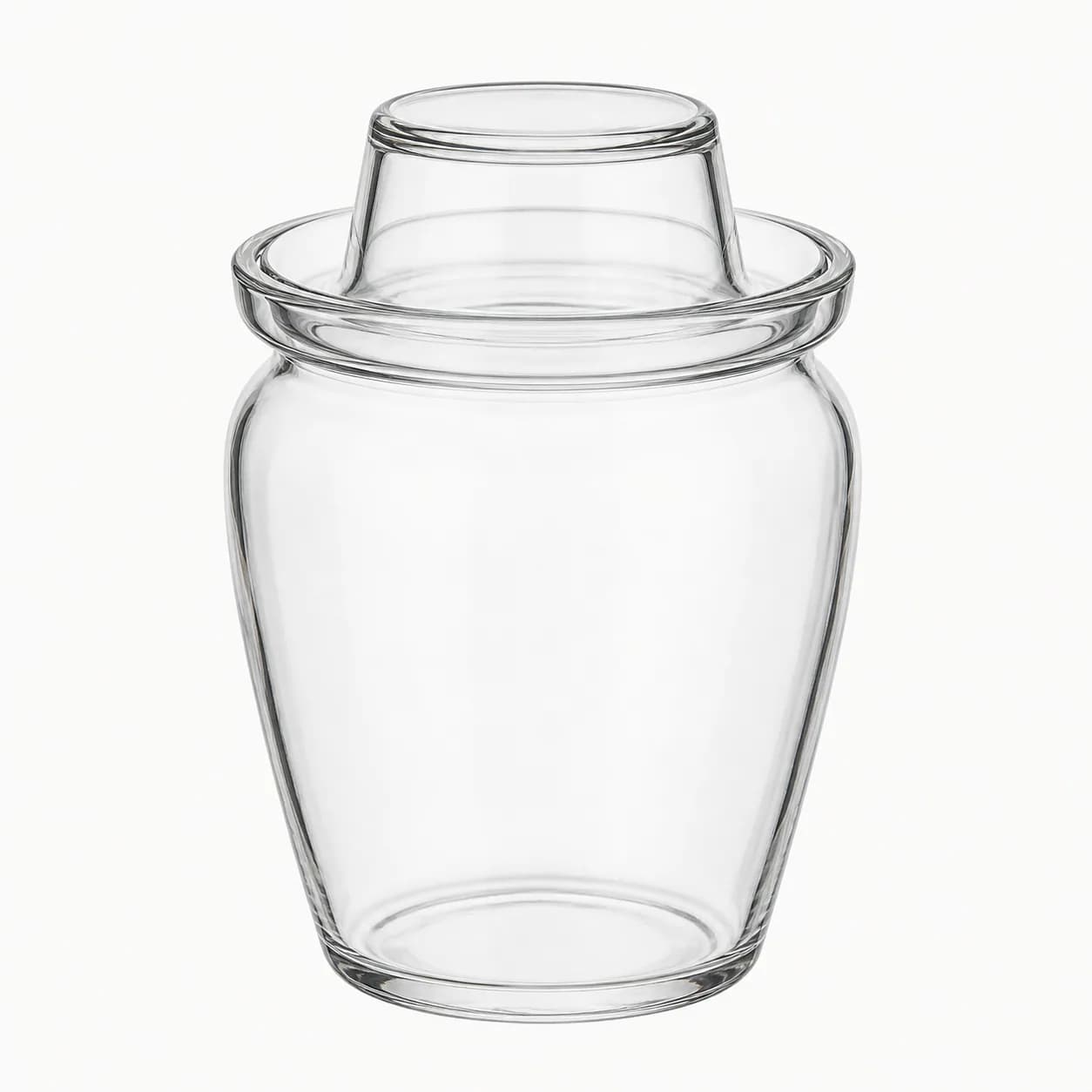
A pickling crock in glass form, with a moat-and-lid water-seal mouth that lets fermentation gases escape while blocking air and contaminants. Built for paocai, suan cai and other water-sealed ferments, it brings a centuries-old method into see-through, kitchen-friendly glass.

GPS-FS-6057Model Code1000 ml – 5000 mlCapacity Range10,000 pcsStarting MOQFrom $0.48Indicative Price
Bulk quote guidanceFrom $0.48Final price depends on capacity, closure, decoration, quantity and packing plan.
Request a Quote

Specification

Details Buyers Need Before Quotation

ModelGPS-FS-6057
Product familyTraditional Chinese Water-Seal Jars
Typical capacity1000 ml, 1500 ml, 2000 ml, 3000 ml, 4000 ml, 5000 ml
MaterialFood-contact soda-lime glass
Glass colorFlint or antique green
Mouth finishMoat / water-channel rim with domed glass lid
Closure matchInverted glass dome lid sealed by a water-filled channel (water seal)
Liner / sealWater in the moat forms the seal; no gasket required
DecorationEmbossed body, minimal labeling, sleeve
PackingSingle-box for large sizes with lid protection
Starting MOQStarting from 10,000 pcs; lower trial quantity depends on available stock

Product Knowledge

About the Traditional Chinese Water-Seal Jars

Background, typical uses, construction, filling guidance and production notes for buyers selecting this container for bulk supply or private-label programs.

Overview & background

The water-seal pickle jar is one of the oldest pieces of fermentation technology still in everyday use, traditionally made in glazed pottery for Sichuan paocai and northern suan cai. The mouth has a moat around it; the lid sits down into the water-filled moat, and that ring of water becomes an airlock.

Rendering it in glass keeps the elegant self-regulating seal but lets the cook watch the ferment — bubbles, brine clarity and vegetable color — which is impossible in opaque crockery.

Applications & industries

Sichuan paocai, suan cai and fermented greens, lacto-fermented vegetables, brined pickles and kimchi, plus home and restaurant fermentation projects generally. The larger 3–5 L sizes serve restaurant prep and serious home fermenters.

It is bought both as a working ferment vessel and, increasingly, as an attractive countertop piece for the fermentation-curious.

Design & construction

The defining feature is the circular moat molded around the mouth and the inverted dome lid that sits in it. Water poured into the moat seals the lid: fermentation gas bubbles out through the water, but outside air cannot get back in. No rubber gasket is needed.

Glass thickness around the moat and lid is designed for repeated handling, and the lid is shaped to seat reliably in the channel.

Handling & best practice

Keep the moat topped up with clean water throughout the ferment — if it dries out, the seal is lost and air gets in. Leave headspace for the brine and gas, and keep vegetables submerged under the brine. The jar is not pressure-rated; it works precisely because it vents.

Clean the moat and lid between batches, and avoid thermal shock; ferments run at room temperature, so the glass is rarely stressed by heat, but the large sizes are heavy when full and need careful, level handling.

Manufacturing & quality

The body and the dome lid are press-and-blow formed; the moat channel around the mouth is the distinctive molded feature and must be formed cleanly to hold water. The two pieces are matched so the lid seats in the channel.

Annealing matters on these large, thick vessels to relieve stress, and the moat and lid fit are checked so the water seal works as intended.

Build Options

Configure the Container, Closure and Packing Together

A packaging program is more than the glass. Closure, liner, fill process, label area and export carton should be confirmed together before the first sample or bulk order.

Capacity & Shape

Confirm brimful capacity, practical fill level, body proportions and label panel so the chosen size suits the product and the line.

Closure System

Match lug, CT, cork, pump or dispensing closures with the right liner for the fill temperature, viscosity and sealing method.

Glass & Finish

Clear or amber glass, sprayed color, frosting, embossing and decoration are checked against shelf presentation and light protection.

Export Packing

Carton partitions, pallet pattern, loading plan and shipping marks are planned for long-distance transport and warehouse handling.

Applications

Where the Traditional Chinese Water-Seal Jars Fits

Share filling temperature, product acidity, viscosity and shelf-life target so we can check the container, closure liner and packing method before quotation.

Sichuan paocaiSuan cai & fermented greensLacto-fermented vegetablesPickles & brined produceKimchiFermentation experimentsRestaurant prepHome fermenting

Stock or Custom Build

Review available molds first, then evaluate color, decoration or a mold change if the project needs a differentiated retail look.

Sample Confirmation

Confirm capacity, closure fit, liner selection, label area and carton protection with samples before bulk production.

Export Preparation

Cartons, dividers, pallet loading and shipping marks are planned for distributors, warehouses and multi-country shipments.

Bulk Quote

Need Traditional Chinese Water-Seal Jars With Closures, Labels or a Custom Finish?

Send capacity, quantity, closure, decoration and destination details. We will return practical MOQ guidance, sample options and export packing recommendations.

Request a Quote